Buy getraenkehandel.eu ?
We are moving the project
getraenkehandel.eu .
Are you interested in purchasing the domain
getraenkehandel.eu ?
domain@kv-gmbh.de · 0541-91531010
Buy getraenkehandel.eu ?
How are viruses transmitted through water?
Viruses can be transmitted through water in a few different ways. One common way is through contaminated water sources, such as rivers, lakes, or groundwater that has been contaminated with sewage or fecal matter containing viruses. Another way is through the consumption of contaminated water, either by drinking it or by consuming food that has been washed or prepared with contaminated water. Additionally, viruses can also be transmitted through recreational water activities, such as swimming or bathing in contaminated water. Overall, proper sanitation and water treatment are essential in preventing the transmission of viruses through water. **
Do viruses also die in boiling water?
Yes, viruses can be killed by boiling water. When water reaches a temperature of 212°F (100°C), it can effectively kill most viruses, including the coronavirus. Boiling water is a simple and effective method to disinfect water and surfaces contaminated with viruses. However, it is important to note that not all viruses are equally susceptible to heat, so it is best to follow specific guidelines for disinfection. **


Similar search terms for Viruses
Top-Angebote
Products related to Viruses:
-
iSpring CW21-BV 2-Stage RV Water Filtration System for Campers, SGS-Tested Báctérïa and Viruses Removal, BPA-Free, High CapacitySGS-Tested Báctérïa & Virus Removal - The FC15-BV water filter combines a pleated filter with activated carbon to deliver superior filtration performance.329,42 $*Shipping: 0,00 $Secure redirect to the provider
-
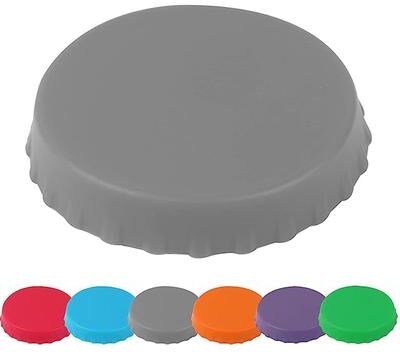
Perfect Picks Market Reusable Leak proof Silicone Cola Can Cap For Canned Beverages, Beer, And Soda Dust Proof, Food Grade Seal grey 2pcsSay goodbye to spills and unwanted dust with the Reusable Leakproof Silicone Cola Can Cap. Designed for ultimate convenience, this cap fits most standard beverage cans, keeping your drinks fresh and secure wherever you go. Whether youre enjoying a...29,97 $*Shipping: 0,00 $Secure redirect to the provider
-
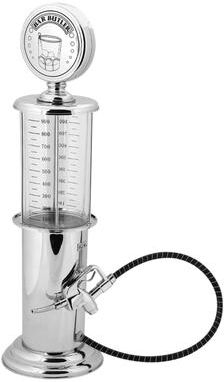
DynamicDeals Retro Fuel Pump Liquor Dispenser Beer & Beverage Serving Station Retro Fuel Pump Liquor Dispenser Beer & Beverage Serving StationExperience a fun and memorable way to serve drinks at your next gathering. This liquor dispenser transforms ordinary beverage service into a conversationstarting centerpiece that guests will love. Designed for home bars, parties, game rooms, and...59,97 $*Shipping: 0,00 $Secure redirect to the provider
-
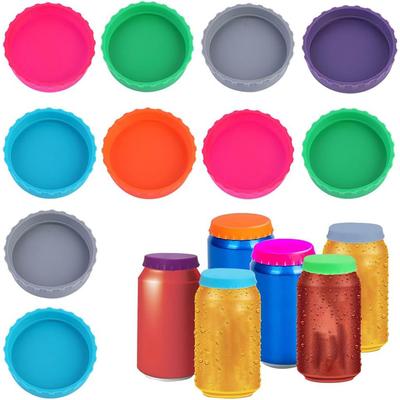
Perfect Picks Market Reusable Leak proof Silicone Cola Can Cap For Canned Beverages, Beer, And Soda Dust Proof, Food Grade Seal green 2pcsSay goodbye to spills and unwanted dust with the Reusable Leakproof Silicone Cola Can Cap. Designed for ultimate convenience, this cap fits most standard beverage cans, keeping your drinks fresh and secure wherever you go. Whether youre enjoying a...29,97 $*Shipping: 0,00 $Secure redirect to the provider

-
Are these viruses?
No, the images provided do not show viruses. The first image shows a close-up of a strawberry, the second image shows a close-up of a leaf, and the third image shows a close-up of a butterfly. Viruses are microscopic infectious agents that cannot be seen with the naked eye. **
-
What blocks viruses?
Viruses can be blocked by the body's immune system, which includes white blood cells that can recognize and destroy viruses. Additionally, vaccines can help prevent viral infections by training the immune system to recognize and fight specific viruses. Some antiviral medications can also block viruses by interfering with their ability to replicate and spread in the body. Finally, practicing good hygiene, such as washing hands regularly and avoiding close contact with infected individuals, can help prevent the spread of viruses. **
-
What do real viruses have in common with computer viruses?
Real viruses and computer viruses both have the ability to replicate and spread. Real viruses replicate by infecting host cells and using their machinery to produce more virus particles, while computer viruses replicate by infecting files or programs and spreading to other computers. Additionally, both types of viruses can cause harm to their hosts - real viruses can cause illness and disease in living organisms, while computer viruses can cause damage to computer systems and data. Finally, both real viruses and computer viruses can be prevented and controlled through various measures such as vaccinations for real viruses and antivirus software for computer viruses. **
-
Who searches for viruses?
Virologists, epidemiologists, and researchers are the primary individuals who search for viruses. They conduct studies, analyze samples, and monitor outbreaks to identify and understand new and existing viruses. These professionals play a crucial role in detecting and responding to viral threats to public health. **


Which viruses affect monkeys?
Some viruses that affect monkeys include simian immunodeficiency virus (SIV), simian foamy virus (SFV), simian retrovirus (SRV), and simian T-cell leukemia virus (STLV). These viruses can cause a range of health issues in monkeys, including immunodeficiency, neurological disorders, and cancer. It is important to monitor and study these viruses in monkeys to better understand their impact on primate populations and potential zoonotic transmission to humans. **
Can images contain viruses?
No, images themselves cannot contain viruses. Viruses are typically malicious software programs that are designed to infect and harm computer systems, and they cannot be embedded within image files. However, it is possible for images to be used as carriers for viruses by hiding malicious code within the image file, but the image itself is not the virus. It is important to be cautious when downloading images from unknown or untrustworthy sources to avoid potential security risks. **
Top-Angebote
Products related to Viruses:
-
iSpring FC15-BV Replacement Water Filter, CTO + Pleated Water Filter Cartridge for US31-BV & CW31-BV, Removes Bacteria & VirusesFeatures: Bacteria & Virus Removal: Lasts up to 12 months, the FC15-BV water filter replacement combines a pleated filter with activated carbon (CTO) to deliver superior filtration performance.62,99 $*Shipping: 0,00 $Secure redirect to the provider
-
iSpring CW21-PFBV RV Water Filter System, SGS-Tested PFAS, Báctérïa & Viruses Removal, Reduces Chlorine, Sediments, and OdorDual SGS-Tested Filtration - Combines FC15-PF and FC15-BV filters, both SGS-tested to deliver advanced removal of PFAS, Báctérïa, viruses, chlorine, heavy metals, odors, and suspended particles for superior water quality.473,99 $*Shipping: 0,00 $Secure redirect to the provider
-
iSpring CW21-BV 2-Stage RV Water Filtration System for Campers, SGS-Tested Báctérïa and Viruses Removal, BPA-Free, High CapacitySGS-Tested Báctérïa & Virus Removal - The FC15-BV water filter combines a pleated filter with activated carbon to deliver superior filtration performance.329,42 $*Shipping: 0,00 $Secure redirect to the provider
-
Perfect Picks Market Reusable Leak proof Silicone Cola Can Cap For Canned Beverages, Beer, And Soda Dust Proof, Food Grade Seal grey 2pcsSay goodbye to spills and unwanted dust with the Reusable Leakproof Silicone Cola Can Cap. Designed for ultimate convenience, this cap fits most standard beverage cans, keeping your drinks fresh and secure wherever you go. Whether youre enjoying a...29,97 $*Shipping: 0,00 $Secure redirect to the provider
-
How are viruses transmitted through water?
Viruses can be transmitted through water in a few different ways. One common way is through contaminated water sources, such as rivers, lakes, or groundwater that has been contaminated with sewage or fecal matter containing viruses. Another way is through the consumption of contaminated water, either by drinking it or by consuming food that has been washed or prepared with contaminated water. Additionally, viruses can also be transmitted through recreational water activities, such as swimming or bathing in contaminated water. Overall, proper sanitation and water treatment are essential in preventing the transmission of viruses through water. **
-
Do viruses also die in boiling water?
Yes, viruses can be killed by boiling water. When water reaches a temperature of 212°F (100°C), it can effectively kill most viruses, including the coronavirus. Boiling water is a simple and effective method to disinfect water and surfaces contaminated with viruses. However, it is important to note that not all viruses are equally susceptible to heat, so it is best to follow specific guidelines for disinfection. **
-
Are these viruses?
No, the images provided do not show viruses. The first image shows a close-up of a strawberry, the second image shows a close-up of a leaf, and the third image shows a close-up of a butterfly. Viruses are microscopic infectious agents that cannot be seen with the naked eye. **
-
What blocks viruses?
Viruses can be blocked by the body's immune system, which includes white blood cells that can recognize and destroy viruses. Additionally, vaccines can help prevent viral infections by training the immune system to recognize and fight specific viruses. Some antiviral medications can also block viruses by interfering with their ability to replicate and spread in the body. Finally, practicing good hygiene, such as washing hands regularly and avoiding close contact with infected individuals, can help prevent the spread of viruses. **
Similar search terms for Viruses
-
DynamicDeals Retro Fuel Pump Liquor Dispenser Beer & Beverage Serving Station Retro Fuel Pump Liquor Dispenser Beer & Beverage Serving StationExperience a fun and memorable way to serve drinks at your next gathering. This liquor dispenser transforms ordinary beverage service into a conversationstarting centerpiece that guests will love. Designed for home bars, parties, game rooms, and...59,97 $*Shipping: 0,00 $Secure redirect to the provider
-
Perfect Picks Market Reusable Leak proof Silicone Cola Can Cap For Canned Beverages, Beer, And Soda Dust Proof, Food Grade Seal green 2pcsSay goodbye to spills and unwanted dust with the Reusable Leakproof Silicone Cola Can Cap. Designed for ultimate convenience, this cap fits most standard beverage cans, keeping your drinks fresh and secure wherever you go. Whether youre enjoying a...29,97 $*Shipping: 0,00 $Secure redirect to the provider
-
Perfect Picks Market Reusable Leak proof Silicone Cola Can Cap For Canned Beverages, Beer, And Soda Dust Proof, Food Grade Seal red 2pcsSay goodbye to spills and unwanted dust with the Reusable Leakproof Silicone Cola Can Cap. Designed for ultimate convenience, this cap fits most standard beverage cans, keeping your drinks fresh and secure wherever you go. Whether youre enjoying a...29,97 $*Shipping: 0,00 $Secure redirect to the provider
-
Perfect Picks Market Reusable Leak proof Silicone Cola Can Cap For Canned Beverages, Beer, And Soda Dust Proof, Food Grade Seal orange 2pcsSay goodbye to spills and unwanted dust with the Reusable Leakproof Silicone Cola Can Cap. Designed for ultimate convenience, this cap fits most standard beverage cans, keeping your drinks fresh and secure wherever you go. Whether youre enjoying a...29,97 $*Shipping: 0,00 $Secure redirect to the provider
-
What do real viruses have in common with computer viruses?
Real viruses and computer viruses both have the ability to replicate and spread. Real viruses replicate by infecting host cells and using their machinery to produce more virus particles, while computer viruses replicate by infecting files or programs and spreading to other computers. Additionally, both types of viruses can cause harm to their hosts - real viruses can cause illness and disease in living organisms, while computer viruses can cause damage to computer systems and data. Finally, both real viruses and computer viruses can be prevented and controlled through various measures such as vaccinations for real viruses and antivirus software for computer viruses. **
-
Who searches for viruses?
Virologists, epidemiologists, and researchers are the primary individuals who search for viruses. They conduct studies, analyze samples, and monitor outbreaks to identify and understand new and existing viruses. These professionals play a crucial role in detecting and responding to viral threats to public health. **
-
Which viruses affect monkeys?
Some viruses that affect monkeys include simian immunodeficiency virus (SIV), simian foamy virus (SFV), simian retrovirus (SRV), and simian T-cell leukemia virus (STLV). These viruses can cause a range of health issues in monkeys, including immunodeficiency, neurological disorders, and cancer. It is important to monitor and study these viruses in monkeys to better understand their impact on primate populations and potential zoonotic transmission to humans. **
-
Can images contain viruses?
No, images themselves cannot contain viruses. Viruses are typically malicious software programs that are designed to infect and harm computer systems, and they cannot be embedded within image files. However, it is possible for images to be used as carriers for viruses by hiding malicious code within the image file, but the image itself is not the virus. It is important to be cautious when downloading images from unknown or untrustworthy sources to avoid potential security risks. **
* All prices are inclusive of VAT and, if applicable, plus shipping costs. The offer information is based on the details provided by the respective shop and is updated through automated processes. Real-time updates do not occur, so deviations can occur in individual cases. ** Note: Parts of this content were created by AI.