Buy getraenkehandel.eu ?
We are moving the project
getraenkehandel.eu .
Are you interested in purchasing the domain
getraenkehandel.eu ?
domain@kv-gmbh.de · 0541-91531010
Buy getraenkehandel.eu ?
Is warm water lighter than cold water?
No, warm water is actually lighter than cold water. When water is heated, the molecules move faster and spread out, causing the water to expand and become less dense. This means that the same volume of warm water will weigh less than the same volume of cold water. Therefore, warm water will float on top of cold water. **
Does cold water boil faster than warm water?
No, cold water does not boil faster than warm water. In fact, warm water will reach its boiling point faster than cold water because it is already closer to the boiling temperature. **

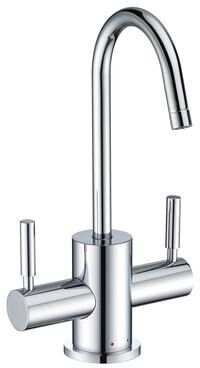
Similar search terms for Whitehaus-Collection-Cold-Water
Top-Angebote
Products related to Whitehaus-Collection-Cold-Water:
-
Whitehaus Collection Point of Use Instant Hot/Cold Water Drinking Faucet with Traditional Swivel SpoutCrafted with classic sophistication, this solid metal faucet pairs seamlessly with reverse osmosis or advanced filtration systems, delivering pure, crystal-clear hot water on demand—without the hassle or waste of bottled water.466,90 $*Shipping: 0,00 $Secure redirect to the provider
-
Whitehaus Collection Cyclonehaus Disposal ToolThe Whitehaus Collection Multi-Purpose garbage disposal tool safely pushes garbage and kitchen waste into your garbage disposal. This tool can be used as a Dish Scrapper to scrap all dishes clean.35,00 $*Shipping: 0,00 $Secure redirect to the provider
-
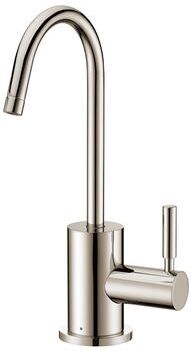
Whitehaus Collection Cold Water Point of Use FaucetCrafted with classic sophistication, this solid metal faucet pairs seamlessly with filtration systems, delivering pure hydration without the hassle of bottled water. Classic Swivel Spout: Traditional design with effortless positioning.370,30 $*Shipping: 0,00 $Secure redirect to the provider



-
Does cold water boil faster than hot water?
No, cold water does not boil faster than hot water. In fact, hot water will reach its boiling point faster than cold water because it is already closer to the boiling temperature. Cold water will take longer to heat up and reach the boiling point. **
-
Is cold water more sluggish than warm water?
Yes, cold water is generally more sluggish than warm water. This is because cold water has a higher density and viscosity, which makes it flow more slowly. In contrast, warm water has lower density and viscosity, allowing it to flow more freely and quickly. Additionally, cold water can also cause certain materials, such as oils and fats, to solidify and slow down the movement of water even further. **
-
Is warm water cloudy and cold water clear?
No, warm water is not necessarily cloudy and cold water is not always clear. The clarity of water is determined by various factors such as the presence of sediments, minerals, and organic matter. Both warm and cold water can be clear or cloudy depending on their specific composition and environmental conditions. For example, warm water may appear cloudy if it contains a high concentration of dissolved minerals, while cold water may be clear if it is free from sediments and organic matter. **
-
Do fish prefer cold water or warm water?
Fish preferences for water temperature can vary depending on the species. Generally, cold-water fish such as trout and salmon prefer cooler water temperatures, while warm-water fish like bass and catfish thrive in warmer waters. The ideal water temperature for fish can impact their metabolism, growth, and overall health. It is important for fish enthusiasts to research the specific temperature requirements of the fish species they are caring for to ensure their well-being. **

Why is hot water lighter than cold water?
Hot water is lighter than cold water because the heat causes the water molecules to move faster and spread out, decreasing the density of the water. This decrease in density makes the hot water less heavy and more buoyant than the cold water. As a result, hot water rises while cold water sinks, creating convection currents in bodies of water. **
Does hot water boil faster than cold water?
Yes, hot water does boil faster than cold water. This is because the molecules in hot water are already moving faster and have more energy, so they require less heat to reach the boiling point. Cold water, on the other hand, requires more heat to increase the temperature of the molecules and reach the boiling point. Therefore, hot water will reach the boiling point faster than cold water. **
Top-Angebote
Products related to Whitehaus-Collection-Cold-Water:
-
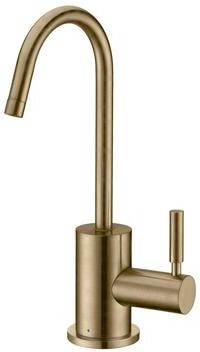
Whitehaus Collection Cold Water Point of Use FaucetCrafted with classic sophistication, this solid metal faucet pairs seamlessly with filtration systems, delivering pure hydration without the hassle of bottled water. Classic Swivel Spout: Traditional design with effortless positioning.297,85 $*Shipping: 0,00 $Secure redirect to the provider
-
Whitehaus Collection Hot/Cold Water Point of Use FaucetCrafted with classic sophistication, this solid metal faucet pairs seamlessly with filtration systems, delivering pure, crystal-clear hot water on demand—without the hassle or waste of bottled water.378,35 $*Shipping: 0,00 $Secure redirect to the provider
-
Whitehaus Collection Point of Use Instant Hot/Cold Water Drinking Faucet with Traditional Swivel SpoutCrafted with classic sophistication, this solid metal faucet pairs seamlessly with reverse osmosis or advanced filtration systems, delivering pure, crystal-clear hot water on demand—without the hassle or waste of bottled water.466,90 $*Shipping: 0,00 $Secure redirect to the provider
-
Whitehaus Collection Cyclonehaus Disposal ToolThe Whitehaus Collection Multi-Purpose garbage disposal tool safely pushes garbage and kitchen waste into your garbage disposal. This tool can be used as a Dish Scrapper to scrap all dishes clean.35,00 $*Shipping: 0,00 $Secure redirect to the provider
-
Is warm water lighter than cold water?
No, warm water is actually lighter than cold water. When water is heated, the molecules move faster and spread out, causing the water to expand and become less dense. This means that the same volume of warm water will weigh less than the same volume of cold water. Therefore, warm water will float on top of cold water. **
-
Does cold water boil faster than warm water?
No, cold water does not boil faster than warm water. In fact, warm water will reach its boiling point faster than cold water because it is already closer to the boiling temperature. **
-
Does cold water boil faster than hot water?
No, cold water does not boil faster than hot water. In fact, hot water will reach its boiling point faster than cold water because it is already closer to the boiling temperature. Cold water will take longer to heat up and reach the boiling point. **
-
Is cold water more sluggish than warm water?
Yes, cold water is generally more sluggish than warm water. This is because cold water has a higher density and viscosity, which makes it flow more slowly. In contrast, warm water has lower density and viscosity, allowing it to flow more freely and quickly. Additionally, cold water can also cause certain materials, such as oils and fats, to solidify and slow down the movement of water even further. **
Similar search terms for Whitehaus-Collection-Cold-Water
-
Whitehaus Collection Cold Water Point of Use FaucetCrafted with classic sophistication, this solid metal faucet pairs seamlessly with filtration systems, delivering pure hydration without the hassle of bottled water. Classic Swivel Spout: Traditional design with effortless positioning.370,30 $*Shipping: 0,00 $Secure redirect to the provider
-
Whitehaus Collection Cold Water Point of Use FaucetCrafted with classic sophistication, this solid metal faucet pairs seamlessly with filtration systems, delivering pure hydration without the hassle of bottled water. Classic Swivel Spout: Traditional design with effortless positioning.370,30 $*Shipping: 0,00 $Secure redirect to the provider
-
Is warm water cloudy and cold water clear?
No, warm water is not necessarily cloudy and cold water is not always clear. The clarity of water is determined by various factors such as the presence of sediments, minerals, and organic matter. Both warm and cold water can be clear or cloudy depending on their specific composition and environmental conditions. For example, warm water may appear cloudy if it contains a high concentration of dissolved minerals, while cold water may be clear if it is free from sediments and organic matter. **
-
Do fish prefer cold water or warm water?
Fish preferences for water temperature can vary depending on the species. Generally, cold-water fish such as trout and salmon prefer cooler water temperatures, while warm-water fish like bass and catfish thrive in warmer waters. The ideal water temperature for fish can impact their metabolism, growth, and overall health. It is important for fish enthusiasts to research the specific temperature requirements of the fish species they are caring for to ensure their well-being. **
-
Why is hot water lighter than cold water?
Hot water is lighter than cold water because the heat causes the water molecules to move faster and spread out, decreasing the density of the water. This decrease in density makes the hot water less heavy and more buoyant than the cold water. As a result, hot water rises while cold water sinks, creating convection currents in bodies of water. **
-
Does hot water boil faster than cold water?
Yes, hot water does boil faster than cold water. This is because the molecules in hot water are already moving faster and have more energy, so they require less heat to reach the boiling point. Cold water, on the other hand, requires more heat to increase the temperature of the molecules and reach the boiling point. Therefore, hot water will reach the boiling point faster than cold water. **
* All prices are inclusive of VAT and, if applicable, plus shipping costs. The offer information is based on the details provided by the respective shop and is updated through automated processes. Real-time updates do not occur, so deviations can occur in individual cases. ** Note: Parts of this content were created by AI.