Buy getraenkehandel.eu ?
We are moving the project
getraenkehandel.eu .
Are you interested in purchasing the domain
getraenkehandel.eu ?
domain@kv-gmbh.de · 0541-91531010
Buy getraenkehandel.eu ?
What is the difference between foam cleanser and gel cleanser?
Foam cleansers are typically lighter in texture and create a foamy lather when mixed with water, making them suitable for oily or combination skin types. On the other hand, gel cleansers have a thicker consistency and do not lather as much, making them more suitable for sensitive or dry skin types. Foam cleansers are better at removing excess oil and impurities from the skin, while gel cleansers are more gentle and hydrating. Ultimately, the choice between the two depends on your skin type and personal preference. **
What are cleansing foam and peeling cleanser?
Cleansing foam is a type of facial cleanser that comes in a foam or mousse texture. It is designed to effectively remove dirt, oil, and makeup from the skin while also providing a gentle cleansing experience. Peeling cleanser, on the other hand, is a type of exfoliating cleanser that contains ingredients such as alpha hydroxy acids (AHAs) or beta hydroxy acids (BHAs) to help remove dead skin cells and promote skin renewal. It helps to improve skin texture and appearance by revealing smoother and brighter skin. Both cleansing foam and peeling cleanser are important steps in a skincare routine to maintain clean and healthy skin. **
Similar search terms for Saffee-ClearDerm-Foam-Cleanser
Top-Angebote
Products related to Saffee-ClearDerm-Foam-Cleanser:
-
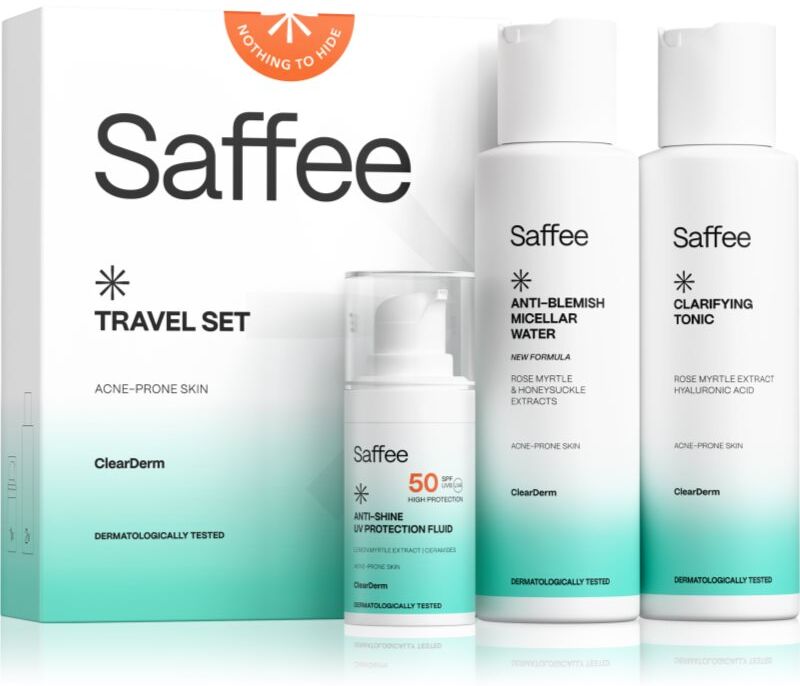
Saffee ClearDerm Anti-blemish Micellar Water micellar water for problem skin 200 mlSaffee ClearDerm Anti-blemish Micellar Water, 200 ml, Micellar Waters for Women, Characteristics: minimises excessive sebum production cleans pores deeply removes even stubborn makeup refreshing and soothing effects keeps skin balanced reduces redness a reduction of dark spots4,10 £*Shipping: 3,99 £Secure redirect to the provider
-
Saffee ClearDerm Anti-blemish Micellar Water micellar water for problem skin 100 mlSaffee ClearDerm Anti-blemish Micellar Water, 100 ml, Micellar Waters for Women, Characteristics: minimises excessive sebum production cleans pores deeply removes even stubborn makeup refreshing and soothing effects keeps skin balanced reduces redness a reduction of dark spots4,08 £*Shipping: 3,99 £Secure redirect to the provider
-
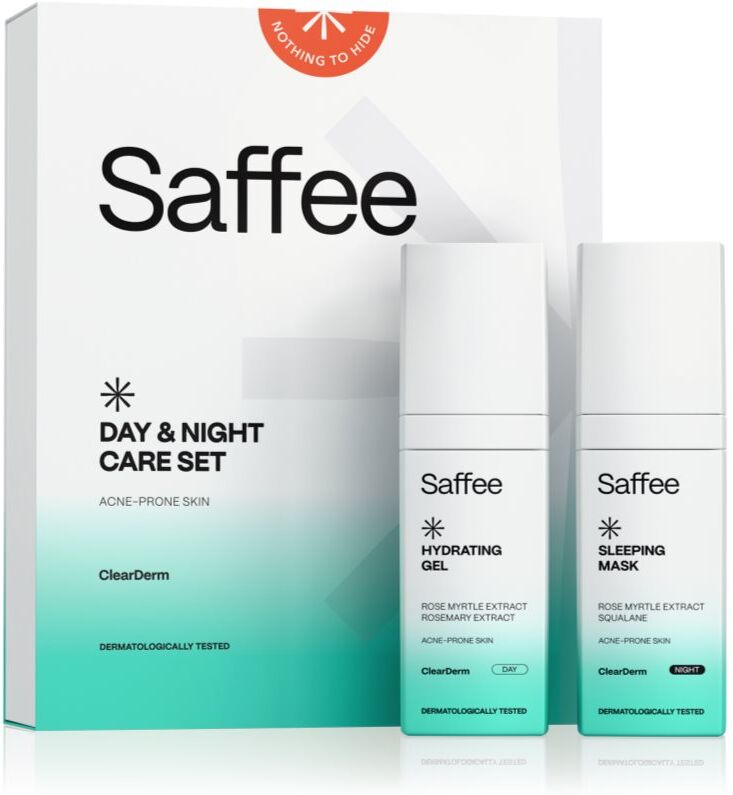
Saffee ClearDerm Day & Night Care Set set for problem skinSaffee ClearDerm Day & Night Care Set, , Cosmetic Sets for Women, Characteristics: regenerates and vitalises is absorbed quickly nourishes deeply eliminates signs of acne moisturises intensely limits the formation of blackheads reduces excessive sebum production soothes irritation and redness reduces redness tightens enlarged pores8,20 £*Shipping: 3,99 £Secure redirect to the provider
-
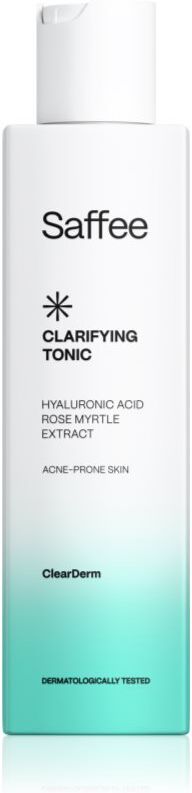
Saffee ClearDerm Clarifying Tonic cleansing tonic for problem skin 200 mlSaffee ClearDerm Clarifying Tonic, 200 ml, Skin Toners for Women, Characteristics: it hydrates and nourishes the skin it rids the skin of dirt and grease it protects the skin against harmful external influences regulates sebum production leaves the skin soft, fresh and radiant soothes skin instantly tightens pores removes skin redness reduces signs of acne regenerates the skin leaves skin matte and soft to the touch4,40 £*Shipping: 3,99 £Secure redirect to the provider


-
Should the face be washed after applying the foam cleanser or left on?
It is generally recommended to wash the face after applying a foam cleanser. The foam cleanser is meant to remove dirt, oil, and impurities from the skin, and washing it off ensures that these impurities are completely removed. Leaving the foam cleanser on the face may lead to residue buildup and potential irritation. After applying the foam cleanser, it should be gently massaged into the skin and then rinsed off with lukewarm water. **
-
Why does water foam with orange juice?
Water foams with orange juice because of the presence of surfactants in the juice. Surfactants are compounds that reduce the surface tension of liquids, allowing air to become trapped within the liquid and create bubbles. When orange juice is mixed with water, the surfactants in the juice help stabilize the bubbles, leading to the formation of foam. Additionally, the acidity of orange juice can also contribute to the foaming effect when mixed with water. **
-
How does soda foam?
Soda foams because of the carbonation process. When carbon dioxide gas is dissolved in the liquid, it creates pressure. When the pressure is released, such as when the soda is poured into a glass, the carbon dioxide gas is released from the liquid in the form of bubbles. These bubbles create the foam or fizz that we see on the surface of the soda. Additionally, the presence of certain ingredients in the soda, such as surfactants or proteins, can also contribute to the formation and stabilization of foam. **
-
Why does soda start to foam?
Soda starts to foam when it is poured into a glass due to the release of carbon dioxide gas that is dissolved in the liquid. When the soda is bottled or canned, it is pressurized with carbon dioxide to give it its fizziness. When the pressure is released by opening the container, the carbon dioxide gas escapes rapidly, creating bubbles and foam. Additionally, the rough surface of the glass can also provide nucleation sites for the gas bubbles to form, further contributing to the foaming effect. **

Why does beer foam taste like copper?
Beer foam can taste like copper due to the presence of metal ions, such as iron and copper, in the water used during the brewing process. These metal ions can react with compounds in the beer, leading to a metallic taste in the foam. Additionally, certain brewing equipment or processes can also introduce metallic flavors into the beer. It's important for brewers to carefully monitor and control the water quality and brewing conditions to minimize the presence of metallic flavors in the beer foam. **
Why does water foam?
Water foams when air is trapped within the water molecules. This can happen when water is agitated or when substances like soap or detergent are added, which reduces the surface tension of the water. The air bubbles get trapped within the water, creating foam. Foam is essentially a collection of bubbles that are stabilized by the surrounding liquid. **
Top-Angebote
Products related to Saffee-ClearDerm-Foam-Cleanser:
-
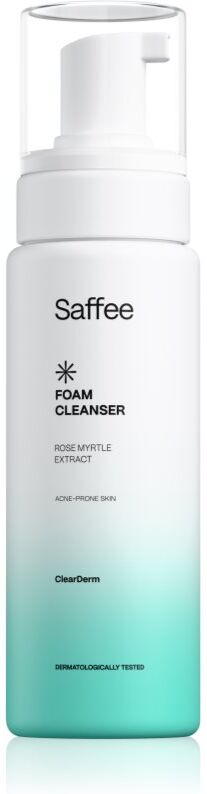
Saffee ClearDerm Foam Cleanser foam cleanser for problem skin 200 mlSaffee ClearDerm Foam Cleanser, 200 ml, Cleansing for Women, Characteristics: hydrates deeply washes the whole face gently and thoroughly mattifies skin does not irritate the skin regulates sebum production reduces redness4,80 £*Shipping: 3,99 £Secure redirect to the provider
-
Saffee ClearDerm Anti-blemish Micellar Water micellar water for problem skin 200 mlSaffee ClearDerm Anti-blemish Micellar Water, 200 ml, Micellar Waters for Women, Characteristics: minimises excessive sebum production cleans pores deeply removes even stubborn makeup refreshing and soothing effects keeps skin balanced reduces redness a reduction of dark spots4,10 £*Shipping: 3,99 £Secure redirect to the provider
-
Saffee ClearDerm Anti-blemish Micellar Water micellar water for problem skin 100 mlSaffee ClearDerm Anti-blemish Micellar Water, 100 ml, Micellar Waters for Women, Characteristics: minimises excessive sebum production cleans pores deeply removes even stubborn makeup refreshing and soothing effects keeps skin balanced reduces redness a reduction of dark spots4,08 £*Shipping: 3,99 £Secure redirect to the provider
-
What is the difference between foam cleanser and gel cleanser?
Foam cleansers are typically lighter in texture and create a foamy lather when mixed with water, making them suitable for oily or combination skin types. On the other hand, gel cleansers have a thicker consistency and do not lather as much, making them more suitable for sensitive or dry skin types. Foam cleansers are better at removing excess oil and impurities from the skin, while gel cleansers are more gentle and hydrating. Ultimately, the choice between the two depends on your skin type and personal preference. **
-
What are cleansing foam and peeling cleanser?
Cleansing foam is a type of facial cleanser that comes in a foam or mousse texture. It is designed to effectively remove dirt, oil, and makeup from the skin while also providing a gentle cleansing experience. Peeling cleanser, on the other hand, is a type of exfoliating cleanser that contains ingredients such as alpha hydroxy acids (AHAs) or beta hydroxy acids (BHAs) to help remove dead skin cells and promote skin renewal. It helps to improve skin texture and appearance by revealing smoother and brighter skin. Both cleansing foam and peeling cleanser are important steps in a skincare routine to maintain clean and healthy skin. **
-
Should the face be washed after applying the foam cleanser or left on?
It is generally recommended to wash the face after applying a foam cleanser. The foam cleanser is meant to remove dirt, oil, and impurities from the skin, and washing it off ensures that these impurities are completely removed. Leaving the foam cleanser on the face may lead to residue buildup and potential irritation. After applying the foam cleanser, it should be gently massaged into the skin and then rinsed off with lukewarm water. **
-
Why does water foam with orange juice?
Water foams with orange juice because of the presence of surfactants in the juice. Surfactants are compounds that reduce the surface tension of liquids, allowing air to become trapped within the liquid and create bubbles. When orange juice is mixed with water, the surfactants in the juice help stabilize the bubbles, leading to the formation of foam. Additionally, the acidity of orange juice can also contribute to the foaming effect when mixed with water. **
Similar search terms for Saffee-ClearDerm-Foam-Cleanser
-
Saffee ClearDerm Day & Night Care Set set for problem skinSaffee ClearDerm Day & Night Care Set, , Cosmetic Sets for Women, Characteristics: regenerates and vitalises is absorbed quickly nourishes deeply eliminates signs of acne moisturises intensely limits the formation of blackheads reduces excessive sebum production soothes irritation and redness reduces redness tightens enlarged pores8,20 £*Shipping: 3,99 £Secure redirect to the provider
-
Saffee ClearDerm Clarifying Tonic cleansing tonic for problem skin 200 mlSaffee ClearDerm Clarifying Tonic, 200 ml, Skin Toners for Women, Characteristics: it hydrates and nourishes the skin it rids the skin of dirt and grease it protects the skin against harmful external influences regulates sebum production leaves the skin soft, fresh and radiant soothes skin instantly tightens pores removes skin redness reduces signs of acne regenerates the skin leaves skin matte and soft to the touch4,40 £*Shipping: 3,99 £Secure redirect to the provider
-
Saffee ClearDerm Hydrating Gel moisturising gel for problem skin 30 mlSaffee ClearDerm Hydrating Gel, 30 ml, Moisturisers for Women, Characteristics: is absorbed quickly works on blemishes eliminates signs of acne moisturises intensely limits the formation of blackheads reduces excessive sebum production prevents unwanted shininess reduces redness How to use: Apply to clean skin and massage in using circular movements.4,80 £*Shipping: 3,99 £Secure redirect to the provider
-
How does soda foam?
Soda foams because of the carbonation process. When carbon dioxide gas is dissolved in the liquid, it creates pressure. When the pressure is released, such as when the soda is poured into a glass, the carbon dioxide gas is released from the liquid in the form of bubbles. These bubbles create the foam or fizz that we see on the surface of the soda. Additionally, the presence of certain ingredients in the soda, such as surfactants or proteins, can also contribute to the formation and stabilization of foam. **
-
Why does soda start to foam?
Soda starts to foam when it is poured into a glass due to the release of carbon dioxide gas that is dissolved in the liquid. When the soda is bottled or canned, it is pressurized with carbon dioxide to give it its fizziness. When the pressure is released by opening the container, the carbon dioxide gas escapes rapidly, creating bubbles and foam. Additionally, the rough surface of the glass can also provide nucleation sites for the gas bubbles to form, further contributing to the foaming effect. **
-
Why does beer foam taste like copper?
Beer foam can taste like copper due to the presence of metal ions, such as iron and copper, in the water used during the brewing process. These metal ions can react with compounds in the beer, leading to a metallic taste in the foam. Additionally, certain brewing equipment or processes can also introduce metallic flavors into the beer. It's important for brewers to carefully monitor and control the water quality and brewing conditions to minimize the presence of metallic flavors in the beer foam. **
-
Why does water foam?
Water foams when air is trapped within the water molecules. This can happen when water is agitated or when substances like soap or detergent are added, which reduces the surface tension of the water. The air bubbles get trapped within the water, creating foam. Foam is essentially a collection of bubbles that are stabilized by the surrounding liquid. **
* All prices are inclusive of VAT and, if applicable, plus shipping costs. The offer information is based on the details provided by the respective shop and is updated through automated processes. Real-time updates do not occur, so deviations can occur in individual cases. ** Note: Parts of this content were created by AI.